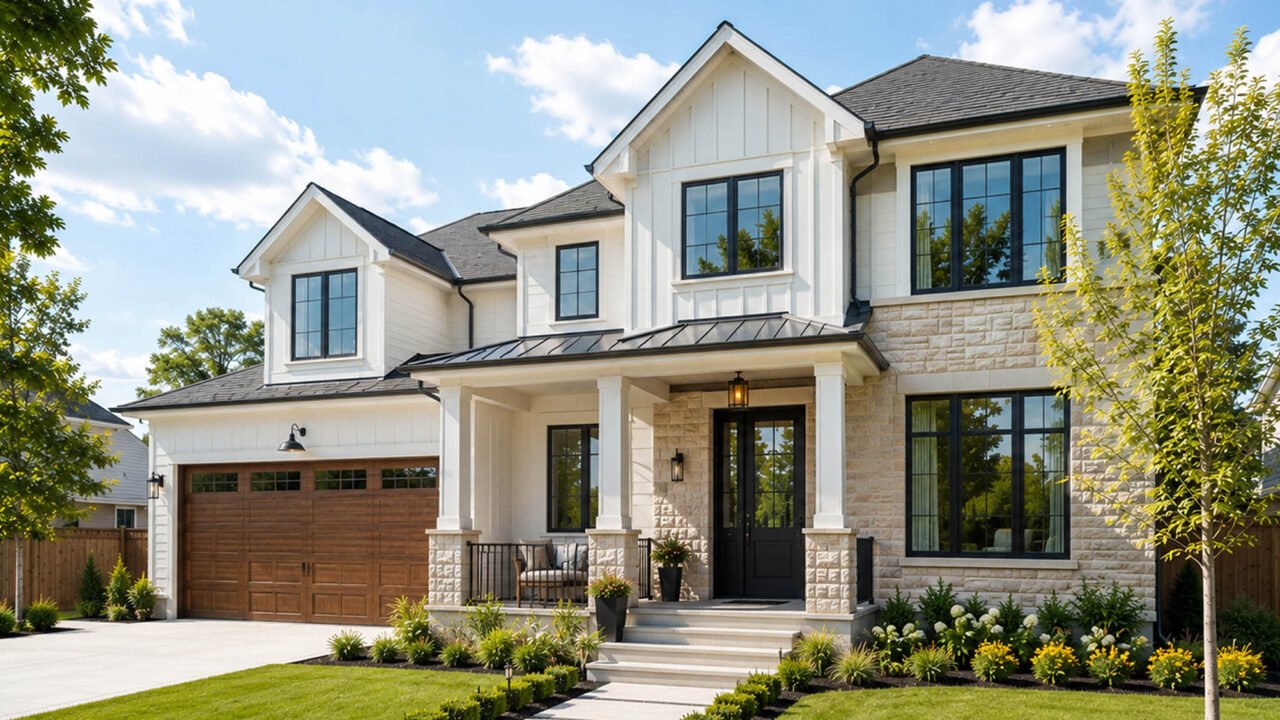
A general home inspection is a visual survey. That single word, visual, explains almost every gap buyers are surprised by later. An inspector reports what can be seen and safely reached on the day of the visit, which leaves whole categories of the property essentially unexamined.
Behind the walls
Plumbing inside walls, wiring inside junction boxes, and the condition of a slab under finished flooring are all outside a standard inspection’s scope. So is anything obscured by stored belongings, which is why a heavily furnished basement is worth a second look after the seller moves out.
Systems that need a specialist
Sewer lines, chimneys, pools and seasonal HVAC performance are commonly excluded or only spot-checked. A sewer scope in particular is inexpensive relative to what a collapsed lateral costs, and it is the single add-on most worth paying for on an older property.
Waiving an inspection is a negotiating decision. Waiving the specialists is usually just an oversight.
The practical takeaway: read the scope section of your inspection agreement before the appointment, not after the report arrives. Anything listed as excluded is a decision you are making, whether or not you realise you are making it.